Tea Mastery with The Ritz’s Giandomenico Scanu
April 21, 2026 – Journals, FOOD & DRINK
At the heart of the legendary Ritz London hotel lies an experience that has come to define the very essence of refined British tea culture: Afternoon Tea. Orchestrating this ritual with precision is Giandomenico Scanu, the only certified tea master within any UK hotel. His role extends far beyond service; it is a position rooted in scholarship, global exploration, and a deeply personal relationship with tea itself.
With over 24 years of service at The Ritz, Scanu has risen through the ranks to become Head of Department and custodian of one of the most prestigious tea programmes in the world. Every element of the experience, from tea steeping to presentation, is shaped by his exacting standards. At the centre of his work is the creation of the hotel’s exclusive Royal Blend, a tea available only at The Ritz and a defining feature of its afternoon tea offering.
The Master At Work: Expertise and The Art of Selection
To fully grasp what a tea master is, one must first understand the depth of knowledge and discipline the role demands. Tea Master certification is a rigorous undertaking, encompassing structured sensory training, agricultural science, and the technicalities of tea production, from plucking standards to oxidation control. Yet, certification alone is insufficient. True mastery is forged through immersion.
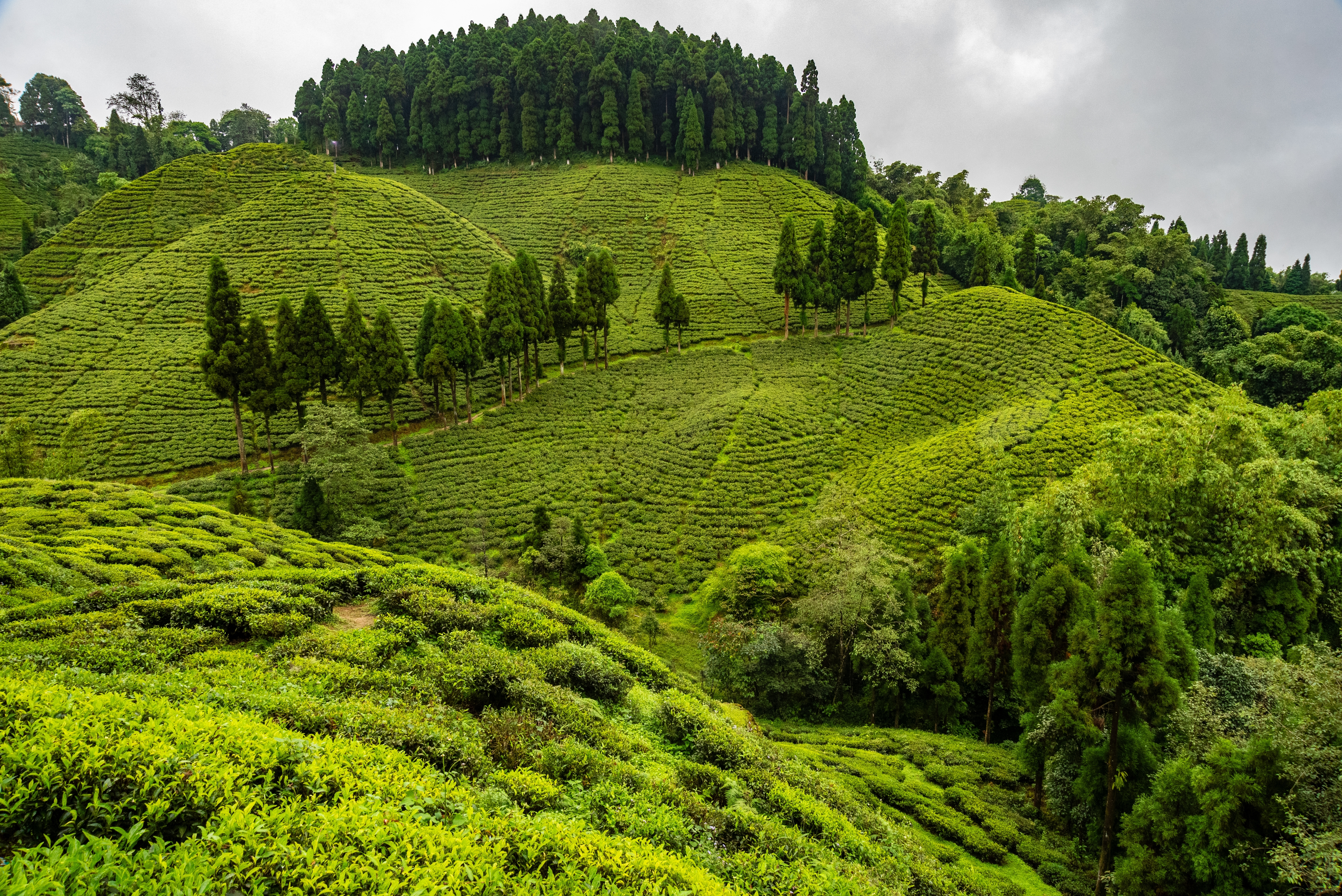
Scanu’s expertise has been shaped not only in tasting rooms but across tea plantations in Darjeeling, Assam, and Ceylon. These journeys provide critical insight into terroir, the interplay of climate, altitude, and soil that defines each tea’s character.
To understand tea at its fullest, you must step beyond the classroom and into the landscape itself.
Travelling through hills and historic estates, Scanu has developed close relationships with growers, many of whom operate small, generational farms. These connections are central to his approach to tea blending, ensuring both provenance and consistency.
“I’ve been lucky enough to travel through some of these regions and see tea cultivation up close, and honestly, it changes the way you think about your morning cup. Nowhere is the passion more obvious than on the smaller farms, where the bond between grower and plant feels genuinely personal. Every leaf is tended with real care, every harvest shaped by generations of tradition mixed with instinct. It’s a craft that deserves way more credit than it gets.”
This first-hand experience embeds the tea master deeply within the lifecycle of tea, from cultivation to cup, transforming selection into a process of storytelling as much as sensory evaluation.
Provenance
At The Ritz, provenance is not a marketing flourish; it is a fundamental pillar of quality. Each tea is selected with a clear understanding of its origin and environmental conditions.
Darjeeling tea, cultivated in the foothills of the Himalayas at elevations exceeding 1,000 metres, is prized for its muscatel character, light floral notes, and delicate complexity. In contrast, Assam tea thrives in the lowland plains, where high humidity and rich soil produce bold, full-bodied leaves with a distinctive malty depth. From Sri Lanka, Ceylon teas contribute brightness and citrus clarity, shaped by the island’s varied elevations and microclimates.
Scanu’s direct sourcing model ensures traceability at every stage. By maintaining personal relationships with tea plantations, he secures not only exceptional quality but also consistency across harvests, an essential requirement for a luxury hospitality environment where every cup must meet expectations.

Appearance
Before water ever touches the leaf, the evaluation begins. Appearance offers immediate insight into craftsmanship and quality.
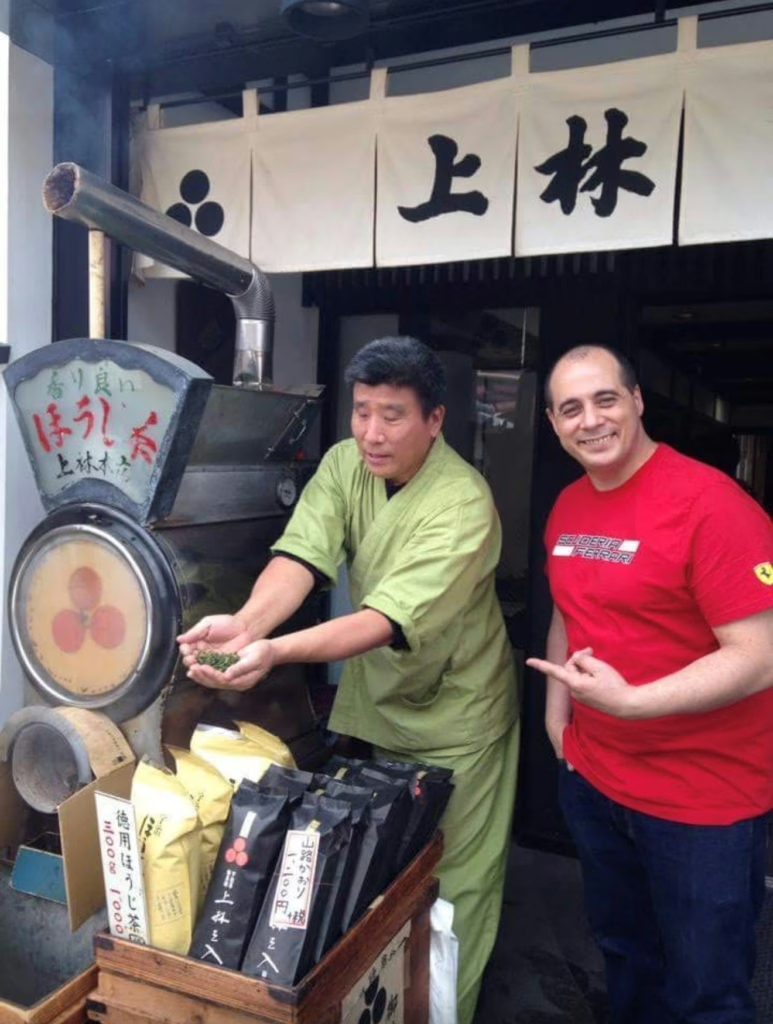
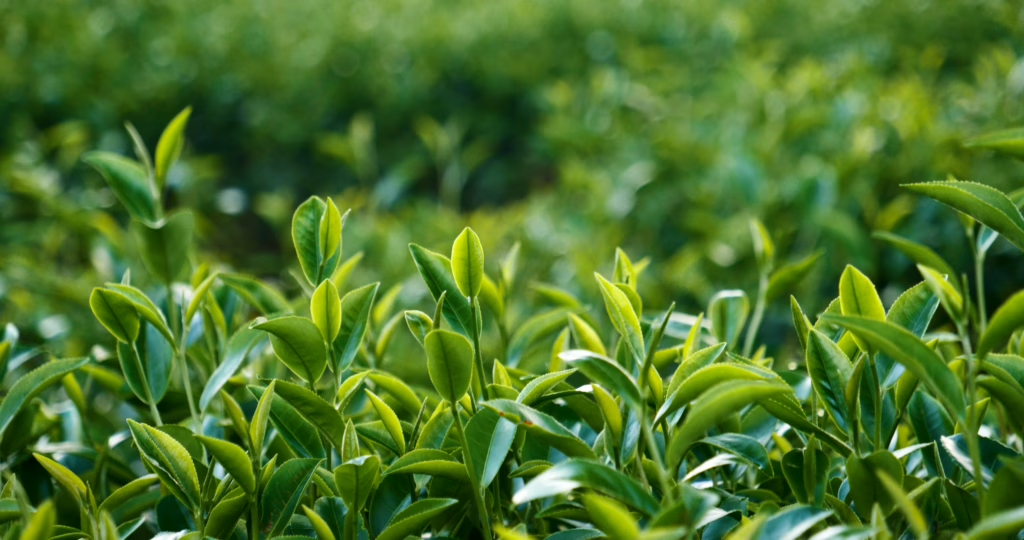
The finest teas exhibit uniformity in size and shape, indicating careful plucking and careful processing. The presence of golden tips and young, unopened buds signals a higher grade, often associated with sweetness and complexity. Leaves may be tightly rolled, twisted, or more open, each form reflecting a specific processing technique and influencing the eventual infusion.

“The dry leaf tells you a story immediately, the precision of the pluck, the integrity of the leaf, the care taken at every stage.”
At The Ritz, such visual scrutiny ensures that only teas of exceptional calibre are selected, whether destined for classic British tea service or more contemporary expressions such as chai tea or refined herbal teas.
Aroma
Aroma is the first sensory bridge between origin and flavour. It reveals both the leaf’s character and the precision of its processing.
The dry leaf may present subtle floral or earthy notes, but it is upon infusion that its full aromatic profile emerges. Darjeeling tea releases its signature muscatel fragrance, lightly fruity and complex, while Assam tea develops a warm, malty richness. Ceylon teas often display bright, citrus-like aromatics, lending freshness to blends.
For Scanu, aroma is not merely descriptive; it is diagnostic. It signals freshness, oxidation level, and the potential layering of flavours within a blend.
“Aroma gives you an early indication of how the tea will behave. It tells you about its balance, its energy, and its place within a blend.”
Infusion Colour
The visual transformation of tea during brewing is both elegant and informative. Infusion colour provides immediate feedback on quality and technique.
A pale, luminous gold suggests a delicate first-flush Darjeeling, while a deep amber hue reflects the strength and structure of Assam. Clarity is paramount; a brilliant, transparent liquor indicates freshness and careful handling, whereas dullness may suggest age or compromise.
For a tea master, this stage is critical. It is an early indicator of whether the leaf has been properly processed, stored, and brewed, each factor contributing to the final experience.

Taste Profile
Ultimately, tea is defined by its taste profile, a complex interplay of structure, flavour, and finish.
The body describes the weight of the tea on the palate, ranging from light and ethereal to rich and full. Astringency provides grip and structure, while sweetness balances and softens the experience. The finish, the lingering impression, reveals the tea’s true refinement.
Darjeeling tea offers elegance and layered complexity, Assam tea delivers boldness and depth, and Ceylon provides brightness and lift. These characteristics form the building blocks of tea blending.
‘What never stops amazing me is just how incredibly diverse tea really is. Think about it; from the delicate, fruit-kissed notes of white teas to the fresh, grassy clarity of Chinese greens, the depth of Japanese varieties, and the wild spectrum of oolongs (from floral and creamy to rich with stone fruit), every category has its own personality. And black teas? Just as varied are the bright, aromatic lift of a Ceylon, the malty punch of an Assam, and the natural sweetness of Chinese styles. There’s always something new to discover in blending.” Scanu evaluates how these elements interact, identifying complementary attributes and ensuring harmony. The objective is not dominance, but balance, creating a tea that feels both complete and cohesive.”
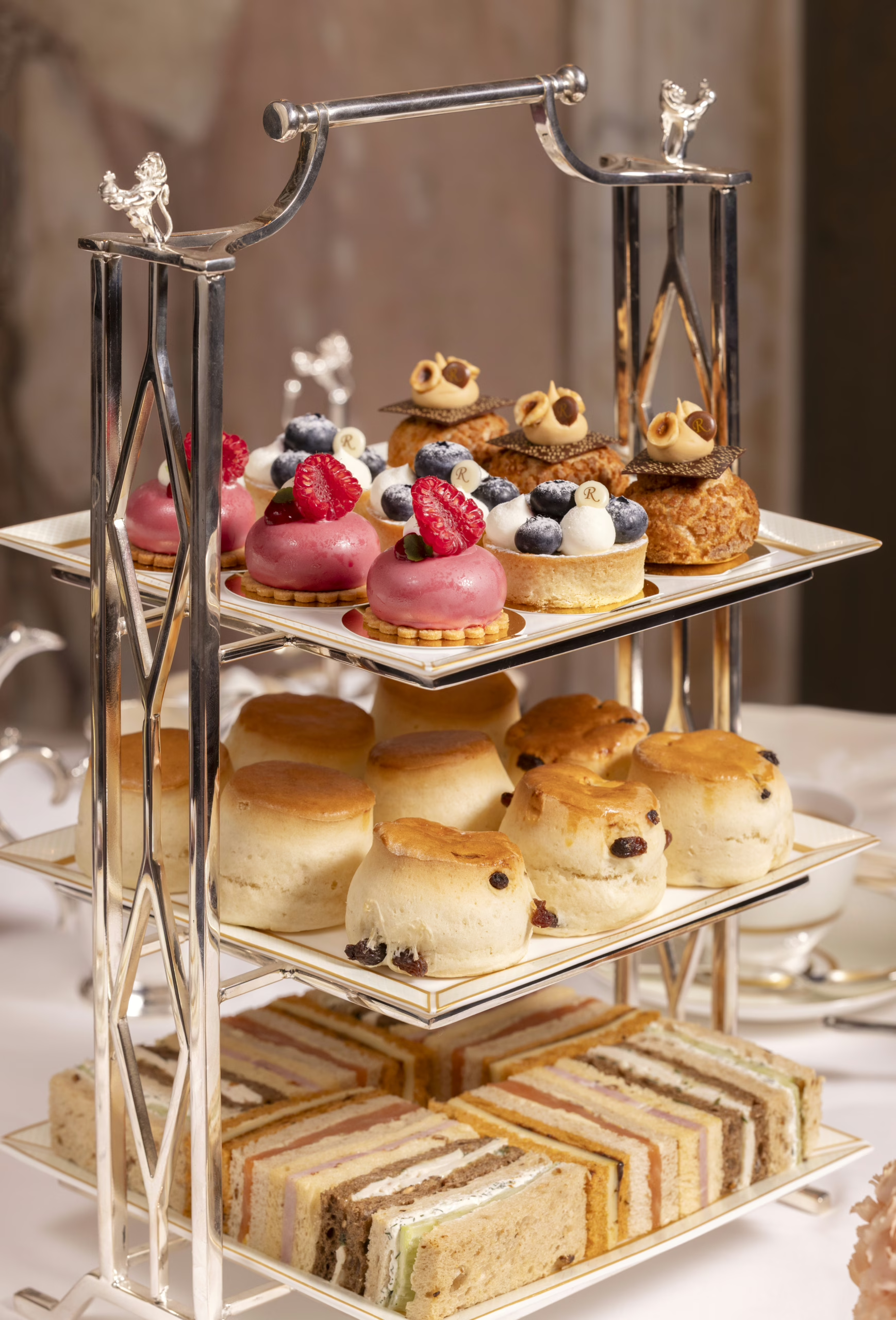
“Honestly, it was this diversity that got me completely hooked. That fascination has taken me across Southeast Asia and deep into Japan, where I have learned directly from exceptional producers and met people who are genuinely inspiring along the way.
When it comes to blending, I don’t cut corners: only high-quality leaves, zero artificial flavourings, and an obsessive focus on balance. Every blend needs to feel both current and classic at the same time. But more than anything, it has to mean something; it should elevate the guest experience and turn a simple cup of tea into a moment worth remembering.”
The Ritz’s Royal Blend Tea
“All my tea experiences eventually led me to blending, and I haven’t looked back since. One of my favourite results is our Ritz Royal English Breakfast tea, which I designed to hit a very specific sweet spot: depth and structure balanced with something lighter and more refined. The outcome is a tea that works beautifully both with and without milk, genuinely versatile, and (I think) rather elegant.”
The Ritz Royal Blend is the culmination of this philosophy, a signature British tea that embodies The Ritz’s house style.
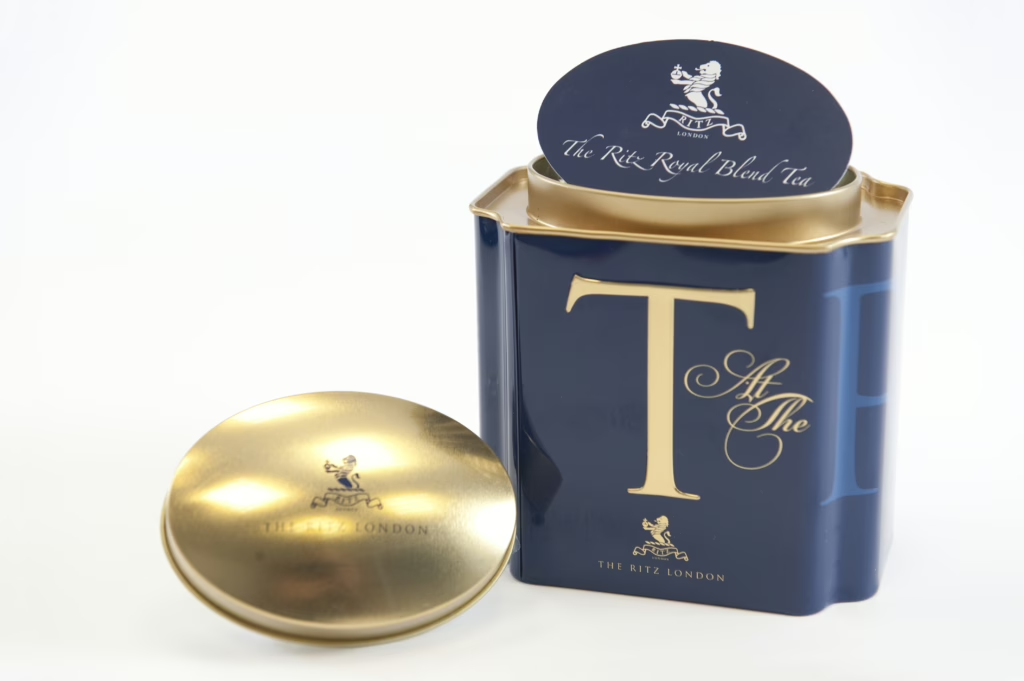
Crafted through scrupulous tea blending, it combines select varietals from distinguished tea plantations to achieve a consistent and recognisable profile. The blend is engineered to balance strength with refinement, ensuring versatility across different preferences.
The result is a tea of remarkable adaptability. It performs beautifully with milk, enhancing its richness, yet retains sufficient nuance to be enjoyed on its own. Its layered complexity, brightness, and structure make it the definitive expression of The Ritz afternoon tea.
Tea Pairing to Perfection
At The Ritz, tea pairing is approached with the same precision as fine wine pairing. Each tea is selected to enhance the flavours of the accompanying menu, creating a seamless interplay between beverage and cuisine.
The Ritz Royal Blend: The Royal Blend’s balanced structure makes it an ideal companion for savoury selections. It complements Scottish smoked salmon with elegance, its brightness cutting through richness, while its depth supports the robust flavours of ham with grain mayonnaise or cheddar cheese with chutney sandwiches. When paired with scones, its subtle sweetness and structure provide a refined counterbalance to cream and preserves.
Earl Grey: With its distinctive bergamot infusion, Earl Grey offers a lighter, more aromatic profile. It pairs exceptionally well with delicate finger sandwiches and patisserie, where its citrus notes elevate buttery textures and enhance subtle flavours.
This collaboration between a tea master and a pastry chef reflects a unified philosophy: every element of the afternoon tea experience must work in harmony.

Seasonal Tea Options
Seasonality introduces a dynamic dimension to the tea programme at The Ritz. Throughout the year, Scanu curates selections that reflect both climate and mood.
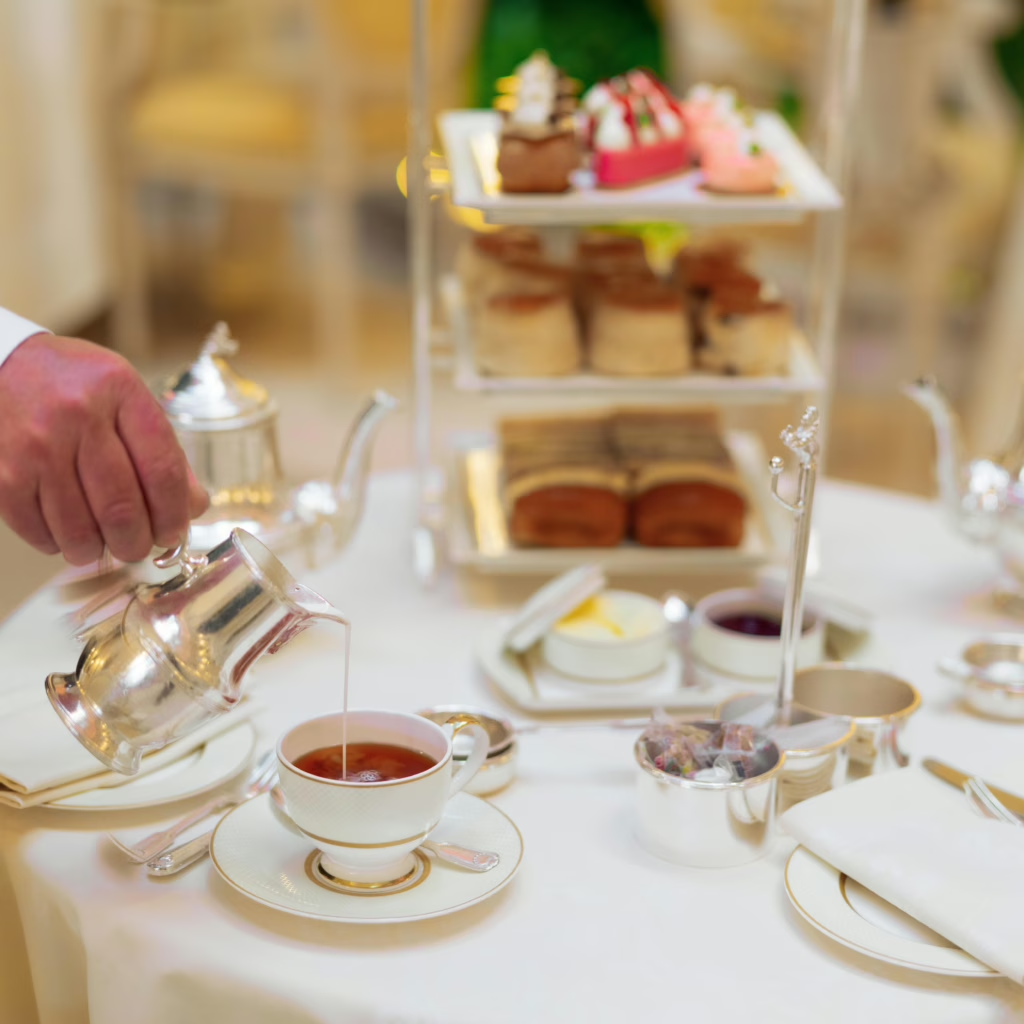
In warmer months, lighter teas such as Green Elderflower, Hibiscus Red Fruit and Rooibos Red Tea are ideal choices. These seasonal offerings showcase freshness and vibrancy, providing a refreshing alternative to traditional blends. Classic teas are also available, along with a large selection of Ritz blends.
Guests are invited not only to experience afternoon tea but also to return, each visit offering a different tea.
The Afternoon Tea Experience
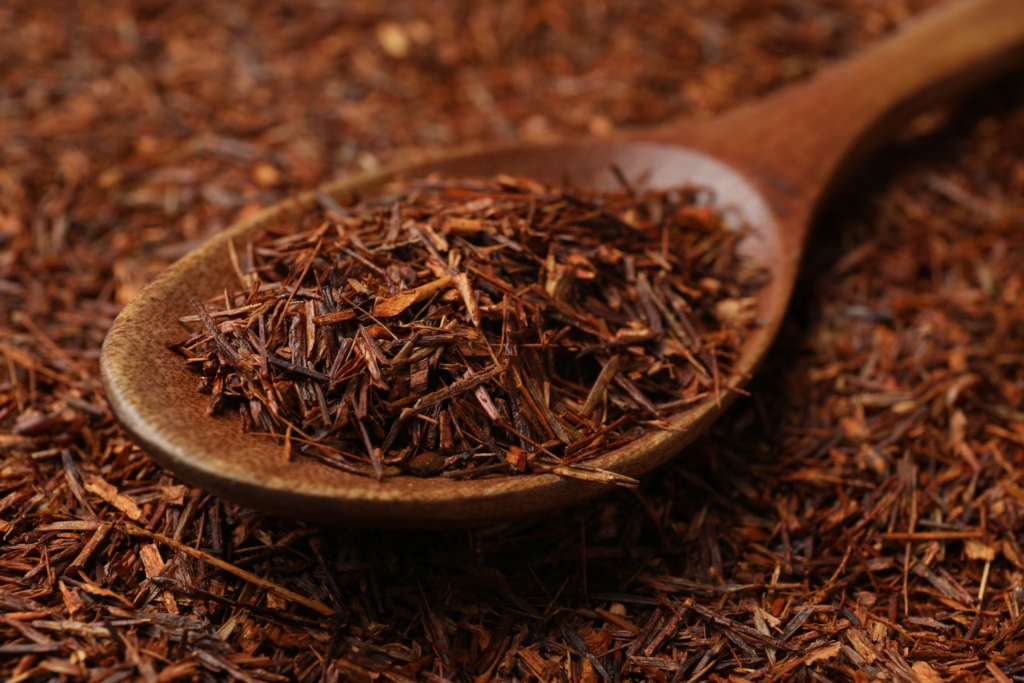
Afternoon tea at The Ritz is not merely a tradition; it is a carefully choreographed expression of British luxury. Set within an atmosphere of live music and timeless elegance, guests are guided through a journey of tea selection, each cup brewed with exacting precision.
From the moment the tea is presented, every detail reflects Scanu’s influence; temperature, timing, and tea steeping are all calibrated to perfection. The Ritz experience extends beyond the table with the celebrated “Puttin on the Ritz,” which combines accommodation with afternoon tea.
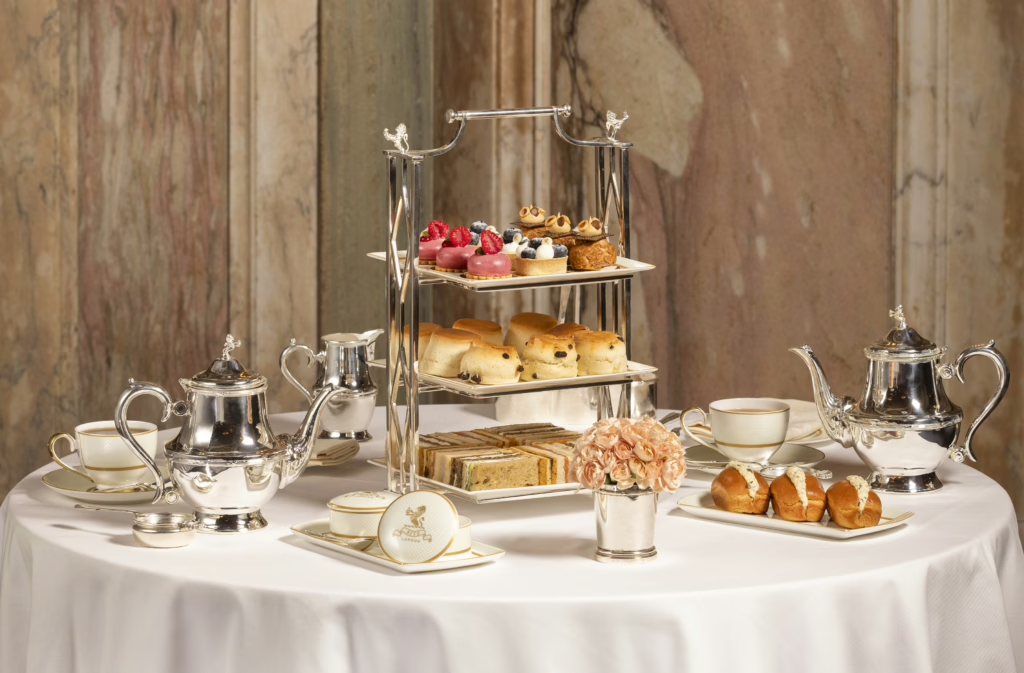
Through the mastery of Giandomenico Scanu, The Ritz elevates tea into an art form. His expertise in tea blending, his deep connection to tea plantations, and his relentless pursuit of excellence ensure that every cup served is not only technically flawless, but profoundly memorable, an experience that justifies its prestige with quiet, unmistakable authority.
For those seeking a broader expression of refinement, dining at The Ritz London extends this same philosophy of precision and artistry beyond afternoon tea, offering a continuation of the hotel’s commitment to exceptional gastronomy and service.